
Faith in Action: Meet Seth Bhogal

Welcome to the very first edition of Faith in Action, a new series celebrating Sikh Americans who live their values every day and strengthen the communities around them.

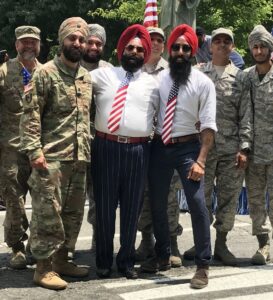
We begin with the story of a trailblazer who shows that there are no limits to where seva can lead. Seth H.S. Bhogal, a devoted Amritdhari Sikh, recently became the first Sikh American Chief Election Officer in Prince William County, Virginia, a role at the very heart of our democracy.

At a time when election integrity and voter access dominate the national conversation, Sikh Americans like Seth are stepping forward to ensure fairness, inclusion, and trust in the democratic process.

SALDEF: What first drew you to volunteer with SALDEF, and how has your relationship with the organization evolved over the years?

Seth: “Over the years, I have volunteered at various gurdwaras throughout the DMV and I have seen the birth and evolution of SALDEF throughout the years and support its cause. I am proud of the cause and all the help that this organization has brought.”

SALDEF: What motivated you to get involved in election oversight work, and why is this particularly important for the Sikh American community?

Seth: “I have a Sikh identity that I want to share with the world and it was important to show others that Sikhs in America are part of that political voice. I have been in America for 40 years and I have seen how the voices of Americans have evolved. Sikhs should not be afraid to show themselves proudly. As an Amritdhari Sikh, I want to show how Sikhs can overcome barriers publicly and that they can work in any field as I have done. There are no obstacles for me and should not be for other Sikhs.”
SALDEF: Can you walk us through what election oversight actually involves? What does a typical Election Day look like for you?

Seth: “Before Election Day, we go through a rigorous training a few months before learning any and all new procedures involved with elections under Virginia law which includes: classroom training and hands-on training on how to set up the scanners, printers, and booths.

As the Chief Election Officer, on Election Day, my day starts at 4am and I am responsible for the overall management of the precinct and responsible for all materials, equipment (ballots and electronic devices), and delivering all secure ballots at the end of the election day.

I also assign all Election Officers for their job duties and oversee all Election Day operations, which include: communicating with election headquarters for any updates and instructions while keeping everything confidential and respecting the election process while under oath. I have to make sure the entire area is secure leading up to and throughout the day and ensuring the media stays off premises. Polling opens at 6am and ends at 7pm. At 7pm, I take all the election ballots to headquarters under police security.”
SALDEF: What advice would you give to other Sikh Americans considering getting involved in civic engagement work?

Seth: “I feel very proud and privileged to be working in Elections because it shows how a Sikh can show up for all communities. I am also proud to be the first Sikh American volunteering as a Chief Election Officer in Prince William County, Virginia. My only advice to all other Sikh Americans who are considering getting involved in civic engagement work is you must know the law and how to follow the law according to the jurisdictions of any state you are working in. You have to have a solid knowledge of how the election process works and how to be confidential. Also, have experience with dealing with conflicts effectively and follow the three rules: Calm, Observe, Report.”

Rooted in the Sikh principles of justice, equality, and seva, Seth approaches his work with a deep sense of responsibility, ensuring that every voter is treated with dignity and every voice is heard. Through his leadership, he reminds us that faith in action is not just about service, but about upholding truth and justice in every space we enter.

Share Your Story: Know a Sikh American who’s making a difference through their commitment to Sikh values? We want to feature them in an upcoming Faith in Action spotlight. Click here to tell us about their story and contact information.
How Sikh Youth Are Learning to Lead with Seva and Intention

By Muskaan Kaur, SikhLEAD 2025 Regional Intern 

Go inside SALDEF’s SikhLEAD Speaker Series to see how Sikh youth are learning to lead with intention, seva, and community-centered values. Featuring insights from changemaker Kulvir Singh.


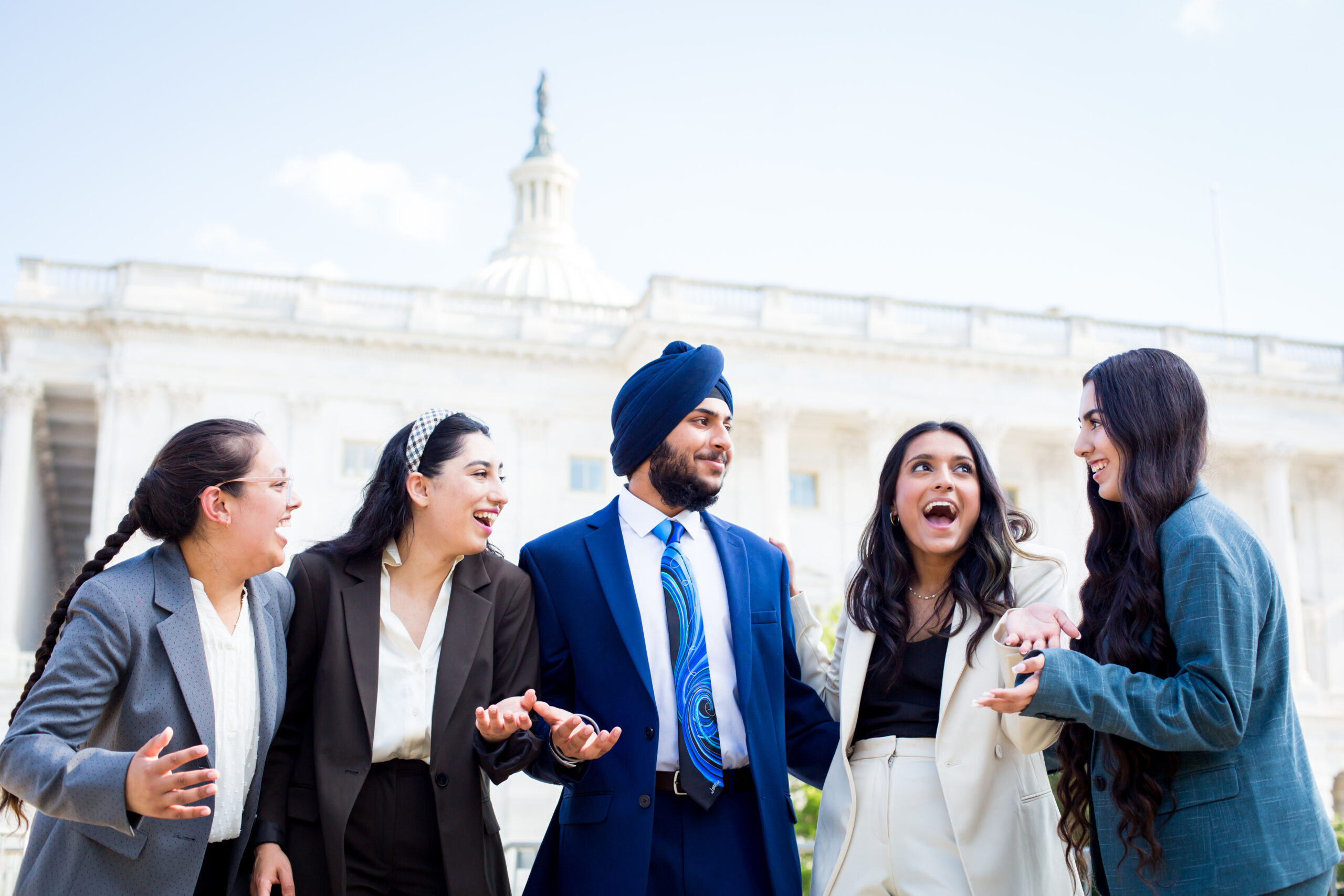
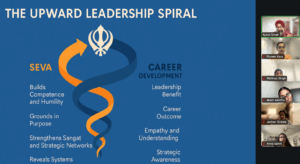
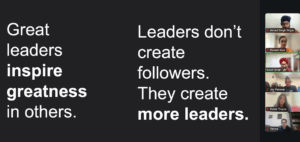
Last Friday, SALDEF’s SikhLEAD Speaker Series gave Sikh youth a powerful opportunity to explore those questions with changemaker Kulvir Singh. In an interactive and thought-provoking session, Kulvir challenged interns to rethink leadership—not as a title, but as a reflection of values.

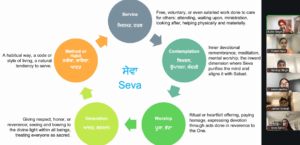
He introduced a compelling metaphor: a leader sets the ceiling for their team. Traits like ego and impatience lower that ceiling, while empathy, motivation, and transparency raise it. The group quickly saw how seva—the Sikhi-based practice of selfless service—embodies the very qualities that empower strong, community-minded leadership.

By anchoring success in service, SikhLEAD interns are not just preparing for careers—they’re preparing to uplift entire communities.

“Leadership matters, intention matters.” Kulvir Singh’s session could be encapsulated by this short phrase. Our gurus approached their eras’ issues in their own unique ways, but their intentions remained unified. 

ਦੇ ਦੇ ਮੰਗਹਿ ਸਹਸਾ ਗੂਣਾ ਸੋਭ ਕਰੇ ਸੰਸਾਰ ॥

They give and give, but ask a thousand-fold more, and hope that the world will honor them.

Kulvir reminded us that seva isn’t selfless when we go into it intending to advertise ourselves as Sikhs, wanting to gain volunteer hours, or giving our ego a boost. Taniya Kaur, a SikhLEAD intern from California, stated, “This was an eye-opening perspective in a world where we are often encouraged to post about our volunteer work on social media under the impression of ‘inspiring’ others.” 

We reflected on our own leadership experiences and actions, aiming to commit to seva in a way that supports those around us and adopts the Sikh worldview that the human race is one, and Waheguru exists in each of us as Jot.

Seva guides us to become more ethical, uplifting, and kind leaders. But it also helps us expand our careers by giving us real-world experience and an outlook that others often don’t have.

Gracy Kaur, a SikhLEAD intern from Pennsylvania, reflects on what stuck with her after the programming session. “What really resonated with me was when Kulvir Singh told us about Harvinder Singh Phoolka and his fight to help his community during the aftershock of 1984.” 

Working pro bono to provide legal aid to Sikhs post-1984, he gained vital experience, sound recommendations, and an inspiring career. Harvinder Singh Phoolka’s seva was exactly what helped him succeed and continue to give back to the Sikh community.

As interns and teenagers, we struggle with balancing Sikhi, school, seva, and college applications. In a few years, we may prioritize our careers, a necessity to exist in the modern world, forcing seva to often get put on the back burner. 

However, Kulvir Singh provides us with an alternate outlook. “Wouldn’t it be amazing if your career became seva and seva became your career? These are not separate things… As a Sikh, you should find that the thing you do for a living is the thing that changes the world.” 


Through this SALDEF-led programming, the SikhLEAD Regional Cohort gained a deeper understanding of how Sikhi can not only guide their personal values but also shape their professional journeys. By connecting the principle of seva with leadership, SALDEF equips Sikh youth to step into roles where they lead with purpose, integrity, and courage.

As Kulvir Singh reminded us, true leaders are those “willing to speak truth to power.” Thanks to SALDEF, Sikh youth nationwide are being empowered to do just that—starting in their own communities and carrying those lessons far beyond the summer.

To learn more about the SikhLEAD program, please visit www.saldef.org/sikhlead

Join SALDEF for a vital session on your legal rights. Learn how to protect yourself and your family when interacting with law enforcement, immigration officers, and others.

This event is free and open to all.

  • Learn your rights
  • Get informed on legal protections
  • Q&A with legal experts

⏱️When: Sunday June 22, 2025
📍Where: Raj Khalsa Gurdwara 22821 Silverbrook Center Dr, Sterling, VA

SALDEF Policy Expert: Upholding Community Values in a Shifting Political Climate

Check out our interview with SALDEF Policy Expert, Jyot Singh, to discuss SALDEF’s unwavering commitment to values-driven advocacy. Even amidst political volatility, we’re pushing for progress on issues like transnational repression and combating mis/disinformation, where bipartisan support exists. Continue reading to learn how SALDEF is pushing for change and how you can get involved.

What are SALDEF’s priorities for the upcoming legislative session, and how will these priorities benefit the Sikh community?

In terms of Washington, D.C., we are focusing on issue areas where there might still be a bipartisan consensus. For instance, legislation or resolutions standing opposed to transnational repression tend to draw in bipartisan sponsors and votes because that is an attack on citizens’ constitutional rights. We also anticipate continuing traction in the areas of mis- and dis-info and censorship, again because it is a bipartisan push to protect all Americans’ rights to access verified and accurate information about the world in which they live.

Sikh Americans are among many communities targeted offline and online in TNR efforts, and they deserve advocacy on those fronts no matter who is in office. More broadly, it is important to remain constant in values-driven community-based advocacy. Issues that matter greatly to our community, like immigration, are the subject of intense political activity and SALDEF prioritizes the continued presence of Sikh Americans advocating for Sikh Americans in these conversations alongside our allies in Congress, the dedicated civil servants with whom we continue to work, and in coalition with our fellow federal advocates in AANHPI civil society.

How does SALDEF collaborate with other organizations and coalitions to advance its policy agenda, and what are some recent examples of successful partnerships?

Research-driven narrative disruption is best achieved in partnership. Our Virtually Vulnerable landscape reportis a microcosm of our method: we worked with partner advocates from other ethno-religious groups in the Indian-American diaspora to share our experiences with the same basic set of tactics employed by the same repressive state on social media. In so doing, we began to operate in a narrative frame not of our individual groups (Sikh, Indian Muslim, progressive Hindu) set against a monolith but as a values-based coalition.

The feedback loop between our establishing technical expertise on policy issues via research and demonstrating that expertise in our advocacy is an open door: on every issue, we work in coalition with the right partners to amplify impact. We also use our presence in coalitions and working groups to build new coalitions with new partners, always keeping one step ahead of the narrative frames used by those who oppose progress on our priorities.

How can Sikh Americans get more involved in the policy-making process and advocate for their own interests?

You are your legislators’ boss.Even if you didn’t vote for them, the job they hold is done in the name of representing you, your interests, and your priorities in the corridors of power whether they are in Washington, D.C., the capital of your state, or even your county board. They operate offices in their districts intended to serve your constituents, and you should know who they are and where those offices are.

Community groups should invite these legislators to visit the gurdwara, and (especially at the local level) show up to meetings open to the public. Public policy to create services that you need is the core of how our government is intended to work, and so every word of every draft bill is uploaded on the internet for free. Safeguarding democracy is a responsibility we all share as citizens, but there is no reason to accept the notion that we can only engage in governing at the ballot box.

What inspired you to work in policy and advocacy, and what advice would you give to young Sikhs who are interested in pursuing similar careers?

I say this with a smile – we don’t all need to be doctors. The advice I would give is actually a bit broader than policy – I would advise all young Sikhs, and young people, to trust their gut and heart more than they trust people who say they know best. I am an advocate because this is the place my path led once I decided to trust myself about what I wanted. In my case, I knew what I wanted was work that was dynamic, challenging, and deeply rewarding – but I had to learn more deeply than that about my purpose.

For me, that purpose is doing my small part to defend and advance the great American experiment: the decision taken in 1776 to establish the world’s first government of the people, by the people, for the people. Any young Sikh who can look inside themselves, really listen to what moves them, and then pursue that purpose faithfully (in balance with the values our parents teach) will find the right path.


To stay updated on SALDEF’s advocacy efforts and discover ways YOU can support our policy agenda for Sikh Americans, sign up for our bi-weekly newsletter, The SALDEF Scoop, at tinyurl.com/saldefscoop!


Historic Milestone for Sikh Americans – Congratulations JJ Singh!

We are pleased to share that JJ Singh has been elected to the Virginia State House of Delegates, making him the first turbaned Sikh to serve as a state legislator in United States history.

This historic milestone is more than a victory for one individual—it is a beacon of hope for the entire Sikh American community. JJ’s accomplishment reminds us all of the importance of representation and inspires the next generation to dream big and lead with courage and integrity.

Let us come together to celebrate this momentous achievement and continue working to amplify Sikh voices in every arena. You can view our social media post here.

Statement from SALDEF on Canada’s Stand Against Transnational Repression and the Need for U.S. Action

SALDEF (Sikh American Legal Defense and Education Fund) stands in solidarity with Canada as it continues to prioritize the protection of its citizens in the face of foreign repression. The recent developments highlighting Canada’s commitment to protecting its citizens’ rights, even in the face of foreign threats, underscore the urgent need for action here in the United States.

We commend Canada for taking a firm stand against transnational repression, recognizing the serious threat it poses not only to the targeted communities but to democratic values as a whole. This approach should serve as a model for how governments around the world can respond to the ongoing and increasingly aggressive attempts by foreign regimes to silence dissenting voices abroad, including Sikh activists.

In the United States, Sikh Americans and other diaspora communities continue to face the threat of transnational repression. Whether it be surveillance, intimidation, or targeted violence, foreign governments have sought to stifle free speech and political dissent within our borders. This is unacceptable in a country that stands for freedom and human rights.

SALDEF proudly supports Congressman Adam Schiff’s Transnational Repression Reporting Act, a crucial step in addressing these threats here at home. The bill would ensure greater accountability by requiring the U.S. Attorney General to report on cases of transnational repression and outline the actions taken by our government to protect American citizens. It is essential that the U.S. government continues to make public statements, as it did last year, condemning transnational repression and holding accountable those who seek to undermine the civil liberties of Americans.

We call on the U.S. government to remain steadfast in its commitment to protecting all Americans from foreign repression, especially as the threats against diaspora communities like Sikhs persist. The right to free speech and peaceful dissent must be protected at all costs. This includes standing against foreign governments that use intimidation, violence, and censorship to silence voices on U.S. soil.

As we continue to engage with our Congressional allies and federal partners, we urge the swift passage of the Transnational Repression Reporting Act to ensure that the U.S. government is doing everything in its power to protect its citizens from foreign repression.

SALDEF remains committed to defending the constitutional rights of the Sikh American community and all diaspora communities affected by these insidious acts. We urge the American government to stand firm, just as Canada has, in safeguarding the freedoms that define our democracy.

Sikhs in Storytelling – A Smash Hit!

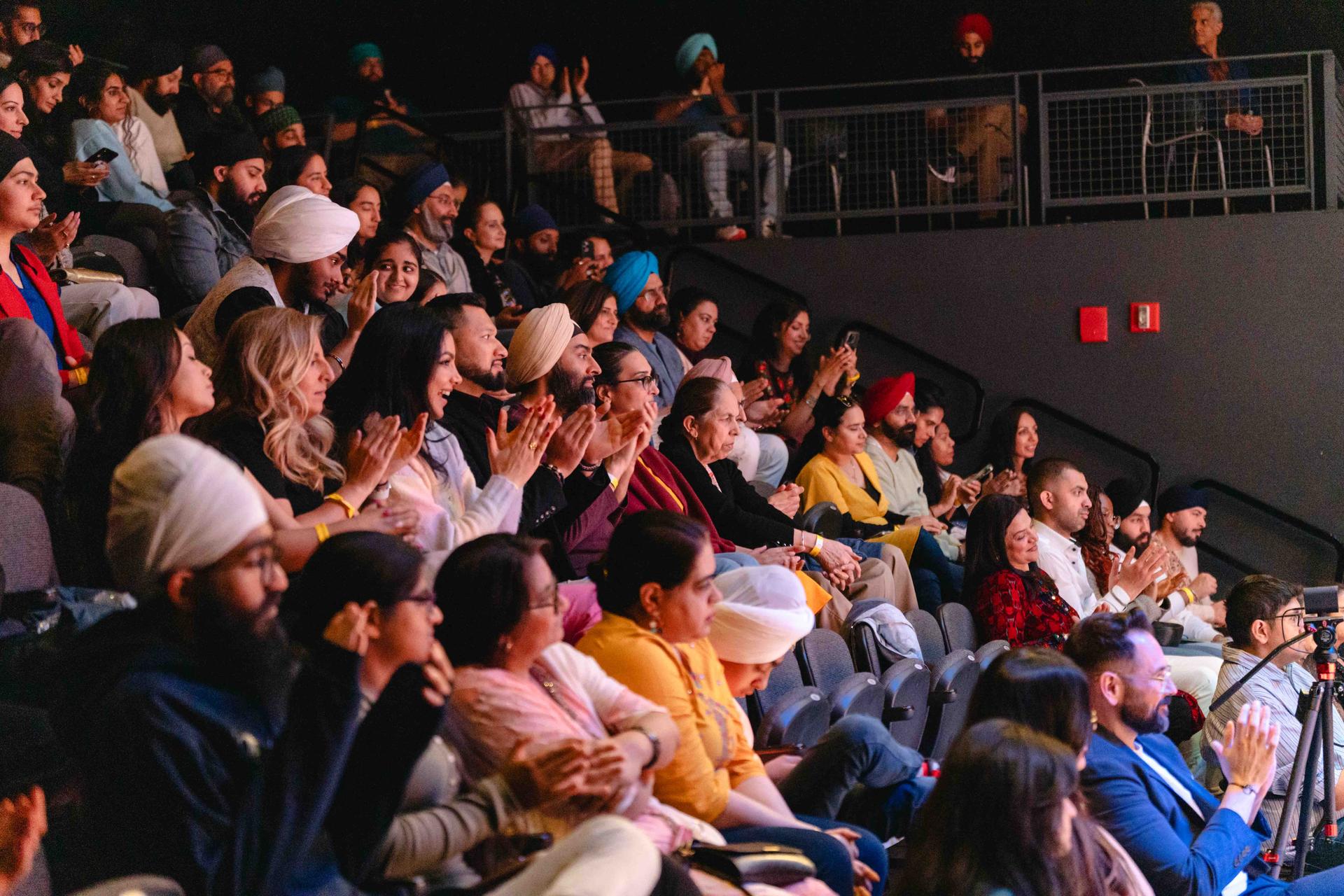
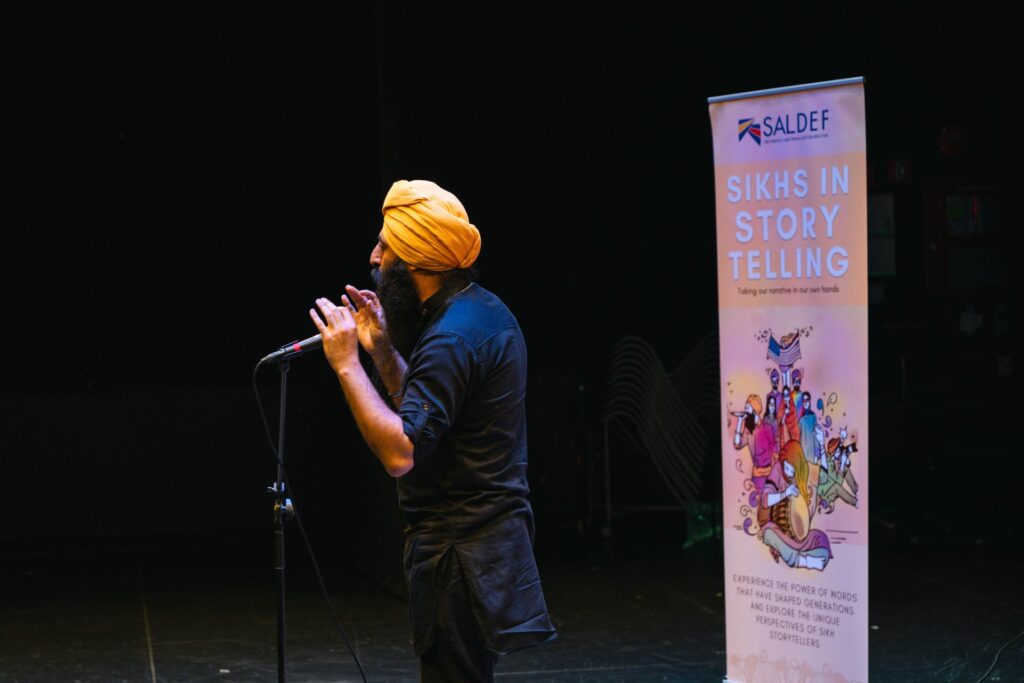
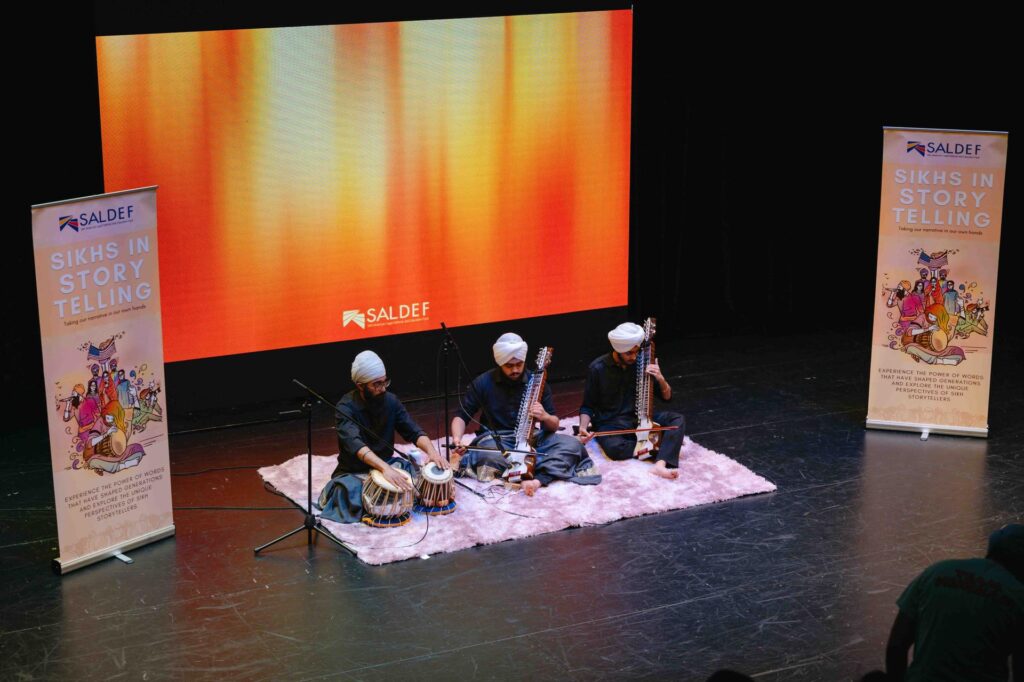
Our Sikhs in Storytelling event in New York City was an unforgettable evening with over 100 attendees in person and a whopping 500+ tuning in on the livestream!

The impact of your support was evident in the energy and enthusiasm that filled the room. Stories were shared, connections were made, and a powerful message of resilience and pride was amplified.

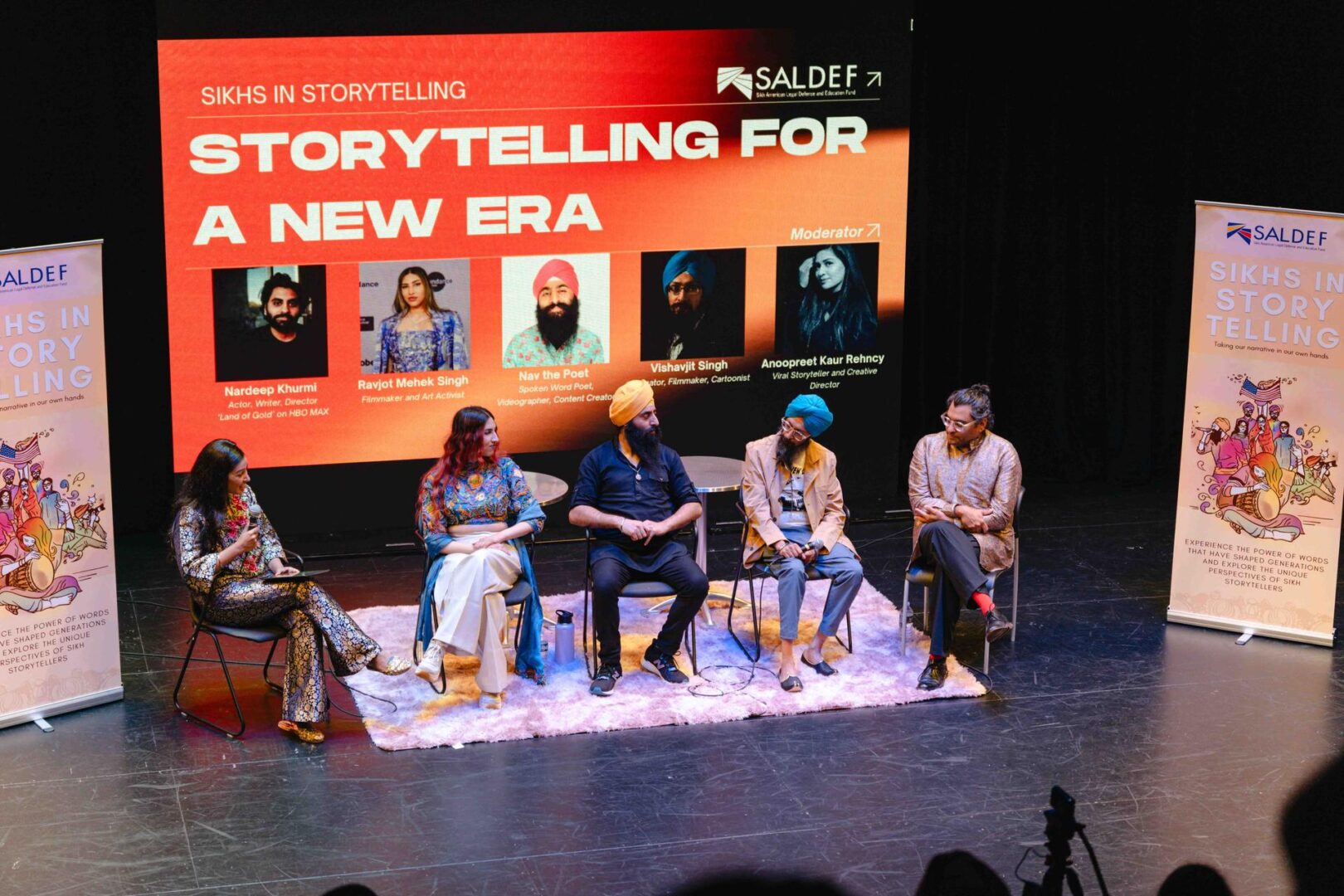
The evening unfolded as a vibrant tapestry of Sikh American experiences. A captivating panel discussion titled Storytelling for a New Era, delved into the heart of Sikh identity in the modern world.

Esteemed panelists Nardeep Khurmi, Nav the Poet, Ravjot Mehek Singh, Vishavjit Singh, and Anoopreet Kaur Rehncy shared their personal journeys and powerful voices, sparking thought-provoking discussions on representation, overcoming media stereotypes, and the vital role of storytelling in shaping a more inclusive future.

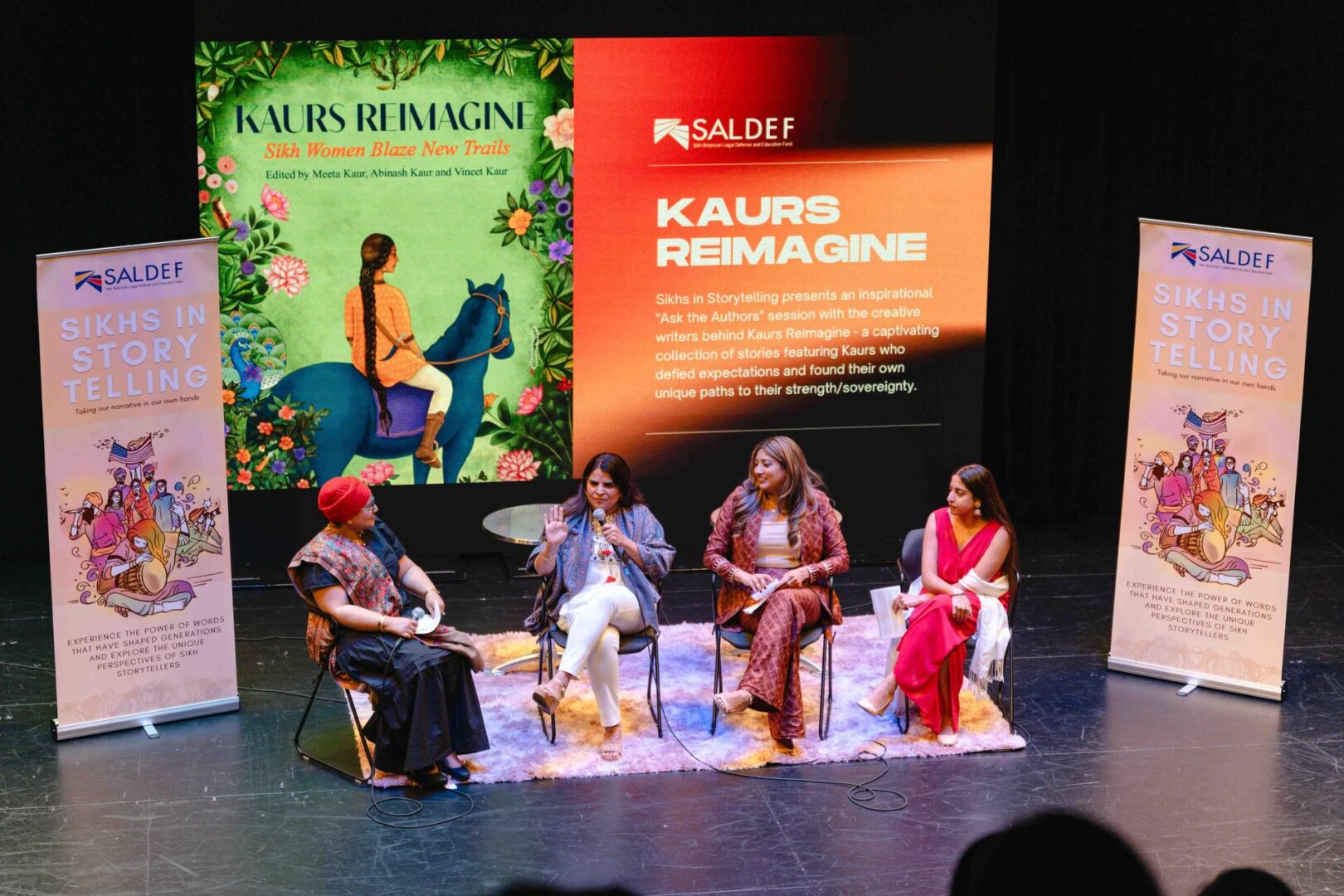
Next, the event took a powerful turn with From Margins to Mainstage: Sikh Women Reimagine Their Power, an interactive session that had the audience buzzing.

The brilliant writers behind the book Kaurs Reimagine: Meeta Kaur, Sonia Kaur, and Saranjit Banga took center stage, led by the ever-inspiring SALDEF Board Member, Juspreet Kaur.

Together, they wove a tapestry of captivating stories featuring Sikh women who shattered expectations and carved their own paths to strength and leadership. It was a session that left everyone feeling empowered and ready to embrace their own unique experiences.

Shattering the Glass Ceiling in Media and Journalism, brought together this a powerhouse group of women: Brahmjot Kaur, Harmeet Kaur, Asees K. Singh, and Sona Simran Kaur.

Their stories weren’t just about navigating a competitive field, they offered a refreshing perspective on how to tell Sikh stories in the media.

From personal anecdotes to practical advice on news cycles, this panel was a breath of fresh air, leaving the audience eager to see more diverse voices shaping the media landscape.

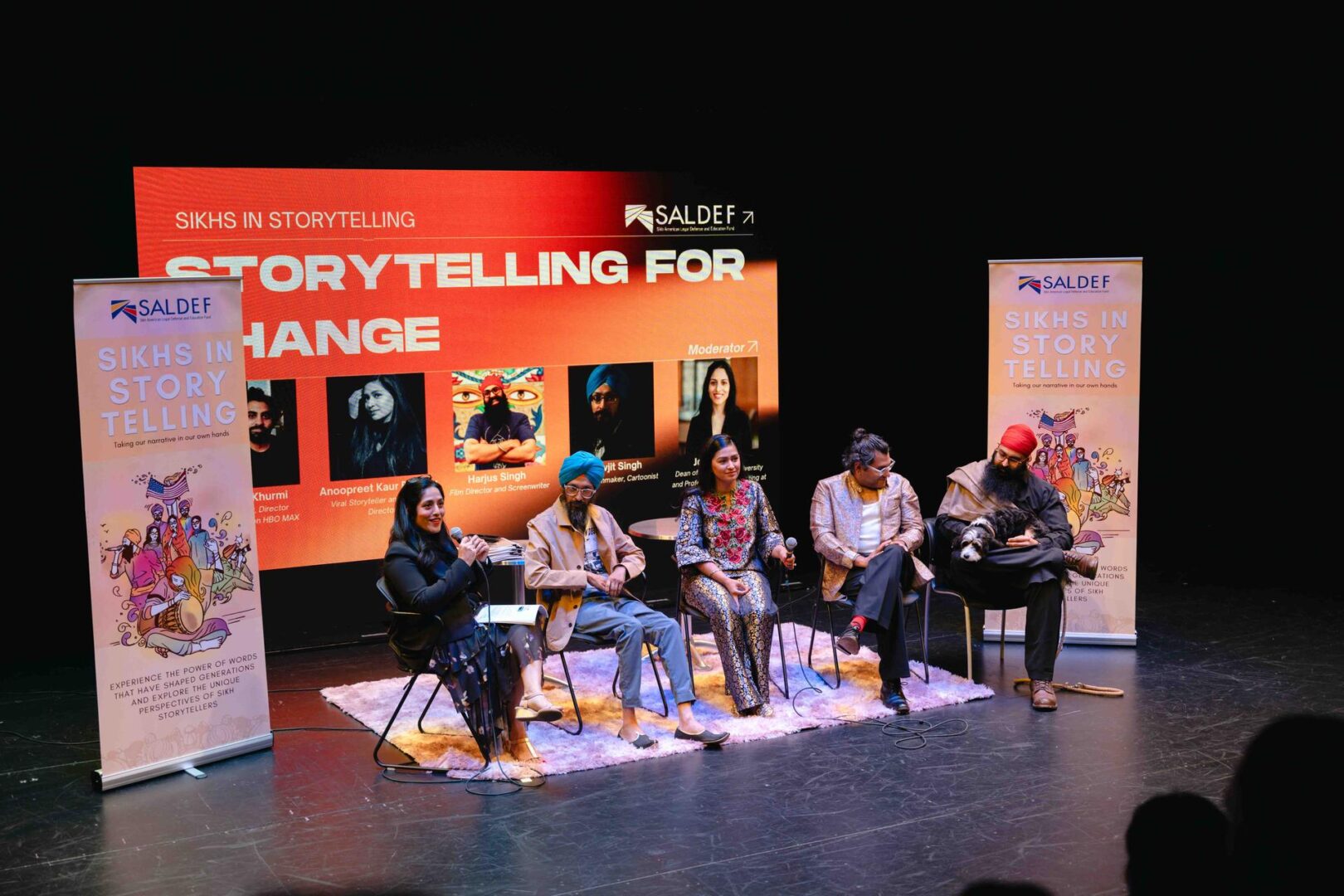
Weaving a fascinating thread through our Storytelling for Change panel was the unlikely historical figure, Bhagat Singh Thind.

Panelists Nardeep Khurmi, Anoopreet Kaur Rehncy, Harjus Singh, Vishavjit Singh, and Joy Kanwar, despite their diverse backgrounds and experiences, all connected to Thind’s legacy of resilience and fighting for justice.

This panel also sparked a powerful conversation about how storytelling can empower our community to advocate for a more just and equitable world, leaving a lasting impression on our engaged audience members.

Beyond Words: Performances that Stirred the Soul

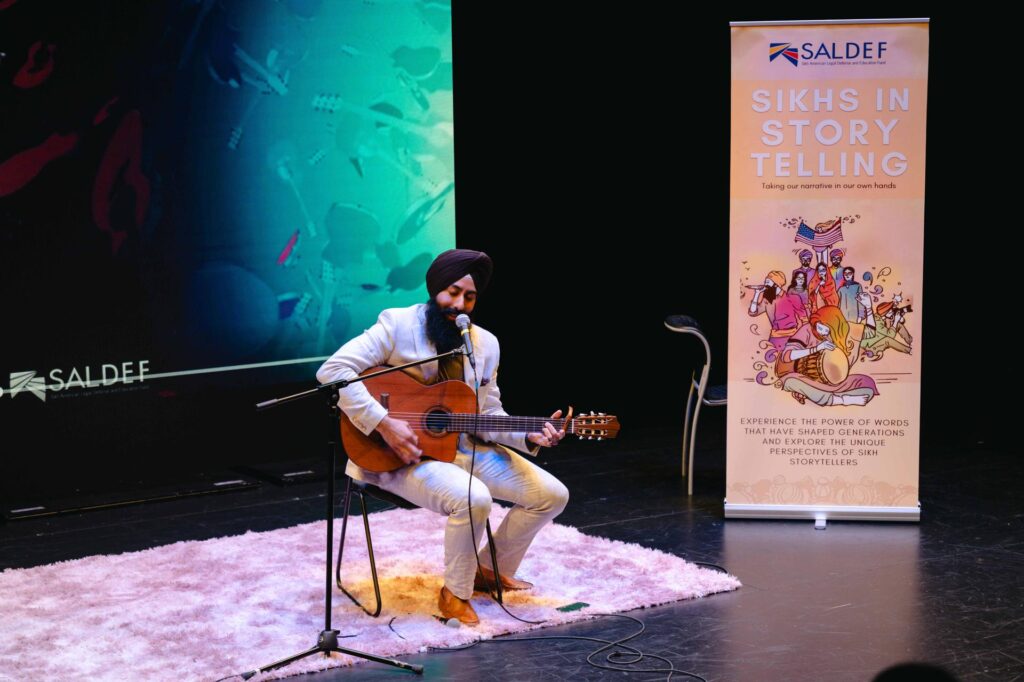
From captivating musical performances to a thought-provoking spoken word session, the evening pulsed with the vibrant energy of Sikh American creativity.

Manav SinghUnnat Singh & Dashmesh Singh’s captivating rendition of Raag Gond (the 17th Raag in the sacred Sri Guru Granth Sahib Ji) set the perfect tone for an evening filled with unforgettable stories and vibrant culture.

Gurpreet Sarin‘s stirring vocals captivated the audience, while Nav the Poet‘s spoken word piece delivered a powerful message that resonated deeply with the attendees.

These diverse performances showcased the rich tapestry of Sikh American artistry and left a lasting impression on all who witnessed them.

Your continued support makes events like this possible.

The success of “Sikhs in Storytelling” wouldn’t have been possible without your support, and the support of our sponsors, The Asian American Foundation and Comcast.

Your contribution allows us to continue amplifying Sikh American voices and challenging the one-dimensional narratives prevalent in society.

Thank you once again for your unwavering support. Together, we are building a brighter future for the Sikh American community.

Have you ever wondered about some lesser-known aspects of Sikhi?

Here are 5 intriguing facts about Sikhi that might surprise you. From the significance of the Five Ks to the concept of Langar, there’s so much to explore about this vibrant and inclusive faith. Dive into the world of Sikhs with us and expand your understanding of the fifth largest religion in the world.

ONE. Sikhism was a catalyst for gender inclusivity in a society that at the time, was dominated by an archaic patriarchal system. The Sikh Gurus emphasized the equality between men and women in the eyes of God. This led to an increase of women’s participation in religious, political and social aspects of society. Many Sikh women were warriors and active participants in civic society. 

TWO. The central holy scripture for Sikhs, Guru Granth Sahib, contains sacred hymns and verses referred to as Gurbani. The recitation of Gurbani is a way in which Sikhs are able to connect with God. Some Sikhs partake in reading the entire Guru Granth Sahib uninterrupted for several days in a very powerful spiritual practice called Sehaj Path

THREE.  The beacon symbol of the Sikh faith is called the Khanda. Khanda means “double edged sword” and there is one shown in the center of the symbol. Surrounding the Khanda is a Chakkar, a round throwing blade, with two Kirpans, single-edged swords and one of the 5 articles of faith, crossed at the bottom.

FOUR. The amrit ceremony is how Sikhs join the Khalsa. It was established by Guru Gobind Singh as a response to the persecution faced by Sikhs in that tumultuous period. During the amrit ceremony today, Sikhs who join the Khalsa must pledge to uphold all the tenets of the Sikh faith and “take amrit” by drinking water sweetened with crystalized sugar and stirred with a Khanda.

FIVE. Sikhs have a deep rooted history in the United States. The first Sikh Americans landed on the West Coast of the United States during the 1890s. In 1957, Dalip Singh Saund became the first Asian American and Sikh American elected into the United States House of Representatives where he served three terms representing California’s 29th congressional district under the Democratic Party. 

To learn more about Sikh Americans and the Sikh faith, please visit www.saldef.org/about-sikh-americans/

The annual Sikh Community of Southern California Vaisakhi Celebration will be held at the Los Angeles Convention Center on Sunday, April 7th from 7am – 6pm

The program consists of a Kirtan Darbar (a day of sacred and spirited musical held in the royal court of Siri Guru Granth Sahib Ji, the Guru of Sikhs) and a Nagar Kirtan (a traveling Kirtan parade with Siri Guru Granth Sahib Ji) encompassing a two-mile route in downtown L.A. The Kirtan Darbar begins at 7 am and continues until 6 pm.